Elevate Your Projects with a Decorative Plant Illustration Vector Set
In the constant search for visual assets that add life without clutter, a high-quality illustration set is a cornerstone of modern design. This Decorative Plant Illustration Vector Set offers exactly that: a collection of six distinct digital files designed to bring a touch of organic elegance to a wide range of projects. More than just simple doodles, these illustrations provide a versatile tool for anyone looking to enhance their visual storytelling with natural, botanical motifs. The appeal lies in their clean lines and balanced composition, making them suitable for both minimalist and layered design approaches.
Understanding the Visual Character and Practical Appeal
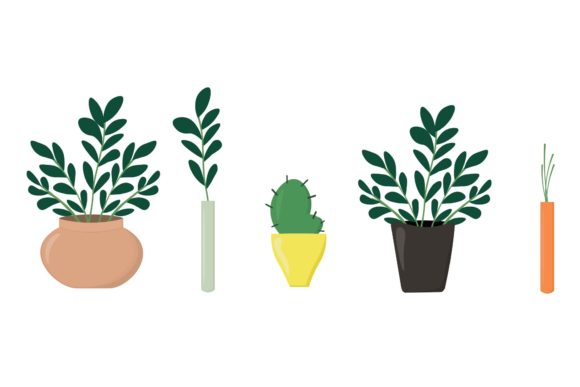
The illustrations within this set are crafted with a distinct personality. They strike a careful balance between decorative flair and practical utility. You won't find overly complex, photorealistic renderings here. Instead, the style leans towards a refined, artistic interpretation of plant forms. Think of leaves with graceful curves, stems that suggest gentle movement, and a composition that feels intentionally placed. This stylistic choice is key to their versatility. They are decorative enough to catch the eye but structured enough to not overwhelm a layout or compete with primary typography. The overall appeal is one of sophisticated simplicity, making them a reliable choice for projects that require a touch of nature without sacrificing clarity.
Each vector file is built on a generous 1920px by 1280px canvas, providing ample resolution for both digital screens and moderate print applications. The true value, however, is in the formats included: the native AI file for Adobe Illustrator, two EPS files for broad compatibility, an SVG for web and digital use, a DXF for certain cutting and CAD applications, and high-resolution JPG and PNG files for immediate use. This comprehensive package means you're not just buying an image; you're investing in a flexible design asset. The vector formats, in particular, allow you to scale the illustrations to any size without loss of quality, edit colors to match your brand palette, and modify individual elements to fit your specific layout needs.
Where These Botanical Vectors Truly Shine
The applications for a set like this are remarkably broad, touching nearly every corner of the creative and commercial landscape. For designers and brand strategists, these illustrations can become a foundational element of a brand identity. Imagine using a single, elegant leaf motif as a recurring graphic on business cards, letterheads, and website headers to create a cohesive, nature-inspired aesthetic. They work exceptionally well as background textures, subtle watermarks, or featured elements in packaging design for products like cosmetics, teas, or artisanal goods, where an organic feel is paramount.
For marketers and content creators, the utility is immediate. These vectors are perfect for creating engaging social media graphics. A well-placed plant illustration can frame a quote, highlight a key statistic in an infographic, or simply add visual interest to a promotional post. Bloggers and publishers can use them to break up long blocks of text, design custom section dividers, or create eye-catching featured images that stand out in a crowded feed. The ability to edit the colors means you can ensure every graphic aligns perfectly with your campaign's visual theme.
Even for personal projects, the value is clear. Crafters can utilize the DXF file with cutting machines to create custom decals, stencils, or paper craft elements. Hobbyists can design unique greeting cards, journal inserts, or wall art. The simplicity of the vector art ensures that even when reduced to a small size for a favicon or a stamp, the core form remains recognizable and clean. This adaptability is what separates a good design asset from a great one.
Making the Most of Your Illustration Set
Simply having the files isn't enough; using them effectively is what delivers real results. The first step is always to consider context. Evaluate your project's existing visual language. Is your overall aesthetic modern and clean? The plant illustrations will complement that. Is it rustic and textured? They can still work, but you might want to apply a grainy texture overlay or use them in a more muted color palette. The key is alignment with your project's core personality.
Next, think about hierarchy and placement. These illustrations are supporting actors, not the lead. Use them to guide the viewer's eye, create visual pathways, or add depth to a composition. Placing a vector in the corner of a webpage header can frame your content beautifully. Using a mirrored set to create a symmetrical border around a quote can add a touch of formal elegance. Avoid the temptation to scatter them randomly; intentional placement makes all the difference.
Finally, don't overlook the power of color manipulation. Since you have vector formats, changing the fill color is a simple task. This allows you to make the illustrations feel truly integrated into your design. You can create monochromatic versions for a subtle effect, use your brand's primary and secondary colors, or even apply gradients for a more dynamic look. This level of customization is what transforms a generic asset into a bespoke element of your visual toolkit. By thoughtfully selecting, placing, and editing these botanical vectors, you add a layer of professionalism and intentional design that elevates the entire project, making it more memorable and engaging for your audience.