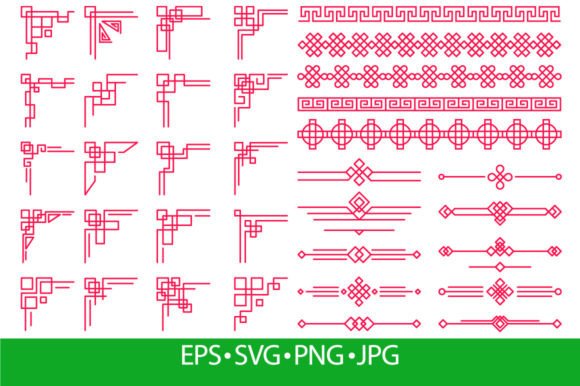
Embracing Cultural Depth with Traditional Chinese Oriental Decorative
There is a profound difference between a design that simply looks "Asian-inspired" and one that genuinely captures the soul of Eastern aesthetics. As a designer or content creator, you have likely encountered the challenge of finding assets that feel authentic rather than generic. This is where Traditional Chinese Oriental Decorative elements step in. They are not merely patterns; they are a visual language built on centuries of history, symbolism, and intricate craftsmanship. In the digital age, utilizing these specific design assets—ranging from vector illustrations to distinct border elements—can elevate a project from ordinary to culturally rich and visually arresting.
The Visual Language of Eastern Aesthetics
When we talk about the personality of Traditional Chinese Oriental Decorative style, we are discussing a blend of precision and fluidity. The visual characteristics often include symmetrical floral motifs, auspicious cloud scrolls, and geometric lattice work. These elements carry a distinct "weight" and formality, yet they possess an elegance that prevents them from feeling heavy. The appeal lies in the detail. Unlike minimalist modern typography that strips away ornamentation, this style celebrates it. It speaks of heritage, celebration, and a deep respect for tradition. For the audience between 20 and 50, these motifs evoke a sense of nostalgia and sophistication, bridging the gap between ancient history and contemporary design trends.
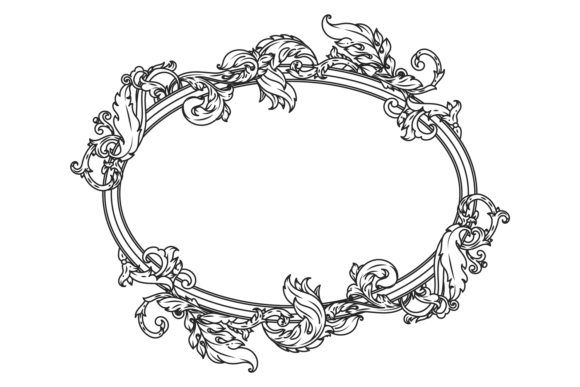
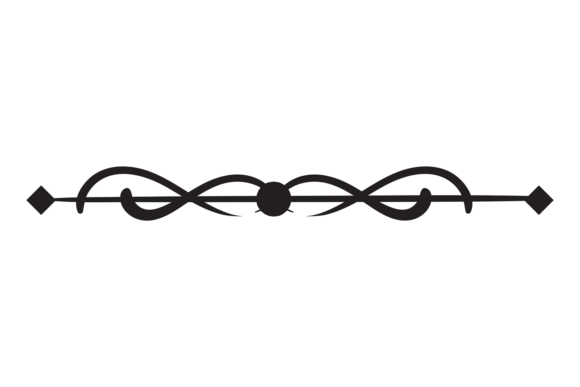
However, understanding the visual hierarchy is crucial. Traditional Chinese borders and separators are designed to frame content. They act as a visual container, guiding the viewer’s eye inward. In a world saturated with flat design, these textured, ornamental borders add a layer of tactility to digital screens. They suggest that the content within the frame is valuable and curated. Whether you are using a bold, red festive corner ornament or a subtle, gold-inked separator line, the message is the same: pay attention to what is inside.
Strategic Applications: From Branding to Publishing
The versatility of these decorative assets is often underestimated. While they are obvious choices for Lunar New Year campaigns, their utility extends far beyond seasonal marketing. For brand identity, particularly for businesses in the wellness, tea, luxury goods, or culinary sectors, these elements provide an instant association with quality and authenticity. A high-end restaurant logo design, for instance, might utilize a simplified corner bracket from a Traditional Chinese set to frame the brand name, immediately establishing a tone of prestige.
In editorial design and packaging design, these borders serve a functional purpose. They create distinct sections on a page or a product label without the need for heavy, solid lines that can clutter the layout. Consider a magazine layout discussing travel or culture; using a subtle oriental border to frame a pull quote or a sidebar adds a thematic touch that complements the photography.
For web design and social media graphics, the application requires a bit more nuance. Because screen resolutions vary, you need assets that maintain their integrity at different sizes. This is where vector formats like EPS and SVG become indispensable. Unlike raster images (JPG or PNG) which can pixelate when scaled, vectors allow you to use a Traditional Chinese Oriental Decorative border as a massive background element on a desktop site or a tiny accent icon on a mobile app without losing crispness. This ensures your brand identity remains consistent across all devices.
Integrating Ornamentation with Modern Typography
One of the biggest challenges designers face is marrying ornate decorative elements with readable text. If you pair a complex, traditional border with a highly stylized script font or an elaborate serif font, the result can be visually chaotic. The key to success is contrast. The intricate nature of Traditional Chinese Oriental Decorative elements generally pairs best with clean, structured typefaces.
For digital applications, a sans serif font is often the safest bet. The geometric simplicity of a sans serif allows the decorative borders to shine without competing for attention. However, if you are going for a high-fashion or luxury aesthetic, a modern, high-contrast serif font can work beautifully, provided you allow for ample white space. Think of the decorative elements as the frame and the typography as the painting. The frame should enhance the art, not overpower it.
Practical Guidance for Selecting and Using Assets
When sourcing Traditional Chinese Oriental Decorative assets, the file format matters as much as the design. As a creative professional, you should always look for sets that include multiple formats. EPS and SVG files are critical for print work and large-scale signage because they are resolution-independent. PNG files with transparent backgrounds are essential for layering elements in Photoshop or Canva without awkward white boxes blocking your background images. JPGs are fine for quick mockups but rarely suitable for final production due to compression artifacts.
Furthermore, evaluate the "completeness" of the set. A high-quality collection will offer more than just corners. Look for sets that include horizontal and vertical dividers, standalone icons, and varying thicknesses of borders. This variety allows you to create a cohesive visual hierarchy throughout a single project. For example, you might use a heavy, ornate corner for the main cover of a brochure but use a thin, simplified separator line for the internal pages. This maintains the thematic consistency while ensuring the internal layout remains breathable and readable.
Licensing is another area where due diligence is required. If you are a small business owner or a freelancer creating assets for a client, you must ensure the license covers commercial use. "Free" assets often come with restrictions that can cause legal headaches down the road. Investing in a premium font or a premium asset pack usually guarantees clearer usage rights and, importantly, better quality vectors that are easier to edit.
Elevating Engagement Through Cultural Nuance
Ultimately, the goal of using Traditional Chinese Oriental Decorative elements is to engage your audience on a deeper level. In a globalized market, audiences are increasingly savvy. They can distinguish between a generic "clip art" dragon and a thoughtfully integrated design element that respects the source culture. When you use these decorative borders and corners thoughtfully, you signal to your audience that you care about details. It transforms a simple invitation, a website header, or a social media post into an experience.
For content creators and bloggers, these elements can break up long blocks of text, making articles more scannable and visually interesting. For entrepreneurs, they provide a shortcut to a sophisticated aesthetic that might otherwise require expensive custom illustration. By leveraging the timeless beauty of these traditional patterns, you are not just decorating a page; you are building a bridge between the past and the present, creating designs that resonate with meaning and style.