Islam Pattern Mandala Mosque Decorative: A Designer's Asset
Unpacking the Visual Language of Sacred Geometry
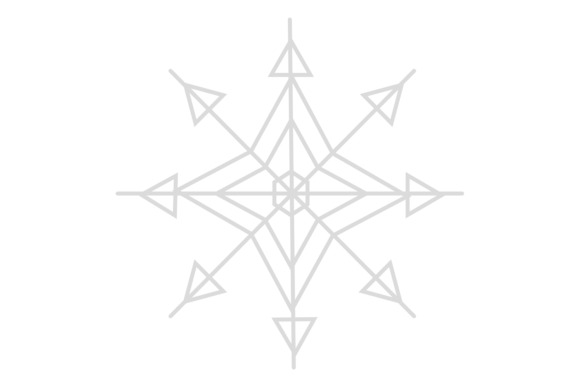
When you first encounter the Islam Pattern Mandala Mosque Decorative design, you're not just looking at another decorative asset. You're seeing centuries of artistic tradition distilled into a versatile digital tool. This isn't a simple clipart image; it's a complex, layered composition built on the principles of Islamic geometric art. The pattern likely features intricate tessellations, arabesques, and symmetrical forms radiating from a central point, all hallmarks of mandala-based designs. The "mosque decorative" aspect suggests it incorporates architectural motifs—perhaps stylized domes, minarets, or mihrab arches—woven into the geometric framework. The overall personality is one of profound elegance, spiritual harmony, and mathematical precision. It carries a sense of calm and order, making it a powerful visual anchor for projects that require dignity, cultural resonance, or a touch of the sacred.
The appeal of this pattern lies in its dual nature. It is both highly structured and deeply organic. The repeating geometric forms provide a sense of rhythm and predictability, while the subtle variations in line weight and potential use of color gradients can introduce visual warmth and complexity. This makes the Islam Pattern Mandala Mosque Decorative design exceptionally adaptable. It can serve as a bold, all-over print for textiles or as a refined, subtle watermark for stationery. Its style bridges the gap between traditional craft and modern digital design, offering a bridge for creators looking to incorporate authentic Islamic artistic heritage into contemporary projects.
Practical Applications: From Digital Screens to Physical Products
The true value of a design asset like this is measured by its utility. Where does the Islam Pattern Mandala Mosque Decorative pattern genuinely excel? Let's break it down by project type, moving beyond the obvious.
For publishing and editorial design, this pattern is a standout. Imagine it as the endpaper design for a hardcover book, the cover background for a journal or notebook, or as chapter dividers in a children's educational book about world cultures. Its intricate nature adds perceived value and a tactile quality, even in digital formats. For brand identity and packaging, it can elevate a product. A luxury tea brand, a boutique chocolatier, or a skincare line could use this pattern on packaging sleeves, gift boxes, or shopping bags to convey a sense of artisanal quality, tradition, and thoughtful design. It tells a story before the product is even opened.
In the digital and social media space, its high-resolution 4200px x 2800px file size is a major advantage. This allows you to use it as a full-bleed background for Instagram posts, Facebook cover photos, or website hero sections without any pixelation. The transparent PNG format is particularly useful here, allowing you to layer the pattern over solid colors or images, creating depth and visual interest without overwhelming the main message or call-to-action. For personal and commercial products, the applications are nearly limitless. The pattern is perfectly suited for all-over printing on t-shirts, tote bags, and phone cases. It can be printed on fabric for throw pillows or used as a decorative element on printed paper goods like planners and greeting cards, especially for occasions like Eid Mubarak celebrations.
Integrating the Pattern: Strategy Over Decoration
Simply having a beautiful pattern isn't enough. The key to using the Islam Pattern Mandala Mosque Decorative design effectively is strategic integration. This asset should work for your project's goals, not just sit on top of it.
First, consider scale and context. A large, dense pattern can be visually overwhelming if used at full scale on a small item like a business card. Instead, think about using a cropped section, reducing the opacity, or using it as a subtle texture. Conversely, on a large tote bag or a poster, the full pattern can be a stunning focal point. Second, color palette is critical. The pattern's impact changes dramatically with color. A monochromatic version in gold on a dark navy background feels luxurious and formal. A multi-colored version with jewel tones can feel festive and vibrant, perfect for holiday designs. Experiment with the colorways to match the mood of your brand or project.
Third, font pairing is non-negotiable. Because the pattern is so detailed, pairing it with the right typeface is essential for readability and hierarchy. Avoid pairing it with other highly decorative or script fonts, as this will create visual chaos. Instead, opt for clean, modern typography. A simple sans serif font like Montserrat or Lato provides a perfect counterbalance, ensuring your text remains legible and your message clear. A crisp serif font like Playfair Display can also work for a more classic, editorial feel. The pattern becomes the "display" element, while your chosen typeface handles the communication. This approach maintains a professional, polished brand identity and ensures your social media graphics or packaging design doesn't become a visual mess.
Finally, always be mindful of the intended message and audience. This pattern carries specific cultural and religious connotations. Using it thoughtfully and respectfully is paramount. It's an excellent choice for projects related to Islamic culture, interfaith dialogue, educational materials, or global cuisine. For general commercial use, ensure the context aligns with the pattern's inherent qualities of harmony, precision, and beauty. When used with intention, the Islam Pattern Mandala Mosque Decorative design becomes more than a download; it becomes a core component of a coherent and compelling visual story. It’s a premium design asset that, when wielded with skill, can significantly enhance the professionalism and aesthetic appeal of a wide array of creative work.