Why the Vintage Badge in Decorative Shield Shape is a Designer's Secret Weapon
There's a particular challenge in modern design: how do you make something feel both timeless and immediately recognizable? How do you evoke a sense of heritage, trust, and craftsmanship in a digital age saturated with slick, minimalist aesthetics? The answer often lies in a single, powerful design asset: the Vintage Badge in Decorative Shield Shape. This isn't just another decorative element; it's a versatile visual shorthand for authenticity and quality that can transform the personality of any project.
Decoding the Visual Language of the Shield Badge
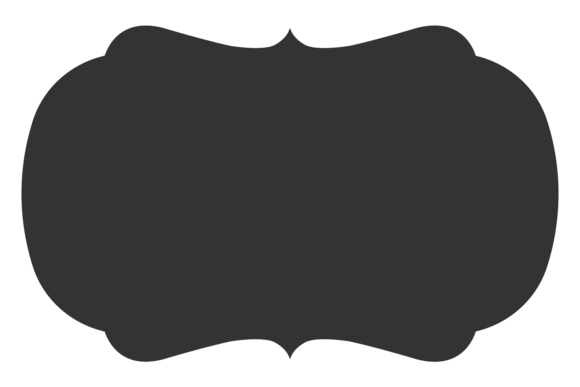
At its core, the Vintage Badge in Decorative Shield Shape is a masterclass in symbolic design. The shield form itself is ancient, representing protection, honor, and strength. When rendered in a vintage style—think of the intricate line work, aged textures, and ornate borders reminiscent of old guild logos, brewery emblems, or military insignia—it gains a layer of narrative depth. The "badge" aspect implies belonging, achievement, or certification. Together, these elements create a design motif that communicates established credibility and artisanal care. It’s a visual that says, "This brand has a story worth telling."
The style is inherently decorative, but with purpose. The best versions of this asset balance intricate detail with enough negative space to remain legible and impactful, even at smaller scales. The personality is one of rugged elegance—simultaneously traditional and adaptable. It carries the weight of history but can be deployed in contemporary contexts to add instant character. This unique appeal makes it a favorite among designers looking to inject a dose of authentic personality into their work without resorting to clichés.
Practical Applications: From Brand Identity to Social Media
The true power of this design asset lies in its chameleon-like adaptability. Its utility spans across nearly every creative discipline, making it a staple in the toolkit of brand identity specialists, packaging designers, and editorial designers alike.
- Logo Design & Brand Marks: For a small business owner or entrepreneur launching a brewery, a barbershop, a coffee roaster, or a leather goods workshop, the shield badge is a natural fit. It serves as a perfect container for a monogram, a founding year, or a core brand icon, instantly conveying a sense of tradition and handcrafted quality. It’s a premium font and asset choice that elevates a startup's visual presence.
- Packaging & Product Labels: This is where the Vintage Badge in Decorative Shield Shape truly shines. On a product label, it acts as a seal of quality, drawing the consumer's eye and suggesting superior craftsmanship. It works for artisanal foods, craft spirits, beauty products, and even specialty hardware, adding a tactile, high-value feel to the shelf.
- Marketing & Social Media Graphics: Marketers and content creators can leverage the badge to create impactful social media graphics, sale announcements, or loyalty program icons. A badge declaring "Est. 2024" or "Member Since" adds a personal, community-focused touch to digital campaigns, boosting audience engagement through relatable symbolism.
- Editorial & Web Design: In editorial design, the badge can function as a sophisticated drop cap, a section divider, or a logo for a recurring column. For web design, it can be used to highlight testimonials, feature key blog posts, or accentuate a "About Our Story" section, improving visual hierarchy and reader focus.
- Personal Projects & Craft: Bloggers, hobbyists, and crafters find endless uses for it. From custom wedding monograms and personalized stationery to embroidery patterns and digital scrapbooking, the badge provides a professional-grade element that elevates personal creations.
Choosing and Implementing Your Badge Asset
Integrating a creative font or asset like this requires more than just a drag-and-drop. To ensure it enhances rather than clutters your design, a strategic approach is key.
Evaluating Project Fit and Style
Before you begin, ask: Does my project's narrative align with the themes of heritage, trust, and craftsmanship? A Vintage Badge in Decorative Shield Shape pairs exceptionally well with serif fonts that have a classic feel or even with a clean sans serif font for contrast. It might clash with ultra-modern, geometric script fonts unless you're intentionally creating a eclectic mix. Consider the level of detail; a highly ornate badge might overwhelm a minimalist website but could be perfect for a detailed packaging design.
Technical Considerations and Licensing
When sourcing this asset, you'll find it available in multiple formats: EPS for vector scalability, JPG for quick use, SVG for crisp web graphics, and transparent PNG for easy layering in design software. For professional work, especially commercial projects, always verify the commercial font and asset licensing. A premium download often includes a license that permits use across client work, merchandise, and digital ads, which is essential for publishers and agencies.
Testing for Readability and Hierarchy
Readability is paramount. If you're placing text inside the shield, test it at the intended display size. The intricate borders should not compete with the core message. Use the badge to create a clear visual hierarchy—it should be the focal point, with supporting text in a simpler typeface. Test font pairings by placing your primary heading or body text near the badge. A good pairing will feel balanced, with the badge providing accent and authority.
Ensuring Brand Consistency
For a brand identity, consistency is everything. Once you select a specific badge style, use it uniformly across all touchpoints. The same shield shape on your business cards, website header, social media profile picture, and product packaging builds instant recognition. It becomes a key component of your visual identity, reinforcing your brand's story at every interaction.
In the end, the Vintage Badge in Decorative Shield Shape is more than just a decorative flourish. It's a strategic tool for communication. It bridges the gap between the past and present, offering a ready-made solution to convey trust, quality, and character. By understanding its visual language and applying it thoughtfully, you can leverage this powerful design asset to create work that resonates on a deeper, more human level, ensuring your projects stand out with timeless appeal.