Bring Nature to Your Projects with Hand Drawn Leaves
In the world of graphic design, the small details often make the biggest impact. Whether you are designing a wedding invitation, packaging for a new organic skincare line, or a header for a lifestyle blog, you need elements that add texture and warmth without overwhelming the core message. This is where high-quality botanical assets come into play. Specifically, investing in a versatile Leaves Decorative Elements Illustration set can transform a flat, uninspired layout into a rich, engaging visual experience. These hand-drawn vector files offer an organic touch that resonates deeply with audiences who crave authenticity and natural beauty in their visual media.
The Anatomy of Hand Drawn Botanical Art
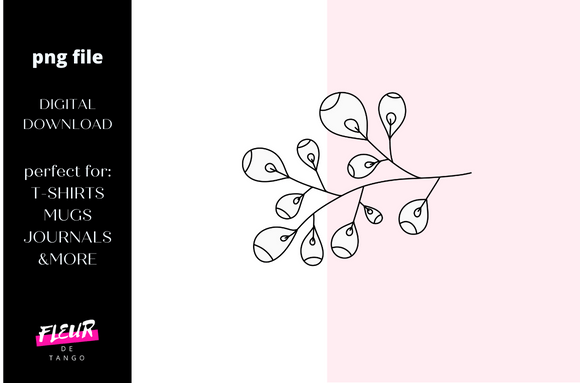
When we talk about a Leaves Decorative Elements Illustration, we aren't discussing stiff, generic clipart. We are looking at art that mimics the imperfections and flow of nature. Hand-drawn elements possess a unique personality; the line weights vary, the curves aren't mathematically perfect, and the textures feel tactile. This style bridges the gap between digital precision and organic warmth. It provides the sophistication of modern vector graphics while maintaining the charm of a sketchbook drawing.
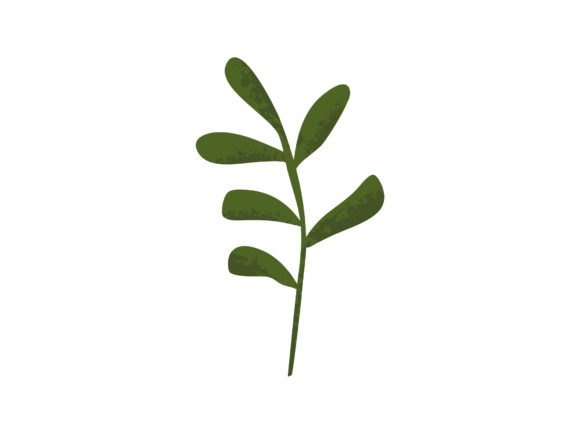
The visual characteristics of these elements usually include intricate vein patterns, soft shading, and varied silhouettes ranging from eucalyptus sprigs to monstera leaves. Because they are delivered as vector illustrations—typically in formats like EPS, JPG, and PNG—they are incredibly flexible. The PNG files are perfect for quick drag-and-drop usage in social media templates or presentations, allowing you to place leaves over photos seamlessly. The EPS and vector formats, however, are where the real power lies. They allow you to scale the artwork from a tiny favicon to a massive billboard without losing a single pixel of quality. This scalability is essential for professional brand identity work, ensuring your decorative assets look crisp across all mediums.
Strategic Applications: Where Nature Meets Design
Understanding how to deploy these assets is just as important as choosing them. The versatility of a high-quality Leaves Decorative Elements Illustration pack makes it a staple in a designer's toolkit. It serves different needs across various industries, helping to create a cohesive visual language.
Branding and Corporate Identity
For businesses in the wellness, beauty, food, or eco-friendly sectors, these illustrations are non-negotiable. They help build a brand identity that feels grounded and trustworthy. Imagine a coffee shop logo that uses a hand-drawn coffee plant leaf as a framing device, or a yoga studio that uses subtle leaf patterns on their business cards. These elements add a layer of professionalism and care to your logo design and stationery. They tell the customer that the brand values quality and attention to detail, which subconsciously boosts brand perception.
Digital Marketing and Social Media
In the fast-paced world of digital marketing, stopping the scroll is the primary goal. Static backgrounds often fail to capture attention. By overlaying transparent PNG leaves onto your Instagram stories or website headers, you add depth and dimension. This is particularly effective for social media graphics promoting seasonal sales, wellness tips, or lifestyle content. The organic shapes break up rigid grid layouts, making the content feel more approachable and less like a hard sell. It’s a subtle way to influence audience engagement through visual comfort.
Publishing and Editorial Design
For authors, bloggers, and publishers, these decorative elements are invaluable. In editorial design, white space is necessary, but it can sometimes feel stark. Using delicate leaf illustrations in the margins, as chapter headers, or as background watermarks can tie a publication together. Whether you are formatting a cookbook, a travel journal, or a quarterly magazine, these assets provide a consistent thread of visual interest that guides the reader's eye without distracting from the text.
Practical Guidance for Implementation
Simply downloading a file isn't enough; you need to integrate these assets thoughtfully. Here is a practical guide to getting the most out of your design assets.
- Evaluate Project Fit: Before you start, look at the style of the leaves. Are they loose and sketchy, or tight and detailed? Loose sketches work well for indie brands and handwritten font pairings, while detailed botanical illustrations might suit a luxury cosmetic brand using a serif font.
- Color Theory Matters: Even though the illustrations are often black or green, you should recolor them to match your specific brand identity. A vector EPS file allows you to change the stroke and fill colors instantly. Consider using earthy tones for a grounded feel or pastels for a softer, feminine touch.
- Creating Visual Hierarchy: Use the leaves to frame your most important information. For example, in packaging design, place the leaves around the product name to draw the eye there first. In web design, use them to separate sections of content, acting as natural dividers.
- Font Pairing Strategies: These illustrations act as a neutral companion to typography. If you are using a bold display font, keep the leaf illustrations delicate so they don't compete. Conversely, if your text is a simple sans serif font, you can afford to use bolder, more intricate leaf clusters to create balance.
Avoiding Common Pitfalls
While these creative font companions are beautiful, they can be misused. The most common mistake is over-cluttering. Just because you have 50 different leaf variations doesn't mean you should use them all on one page. Restraint is the hallmark of good design. Treat the leaves like punctuation in a sentence—use them to emphasize, not to overwhelm.
Furthermore, pay attention to licensing. If you are using these elements for client work, ensure you have a commercial font and asset license that covers the end product. Most premium resources allow for this, but it is a crucial step in maintaining professionalism and legal safety. Always check if the license covers physical products (like merchandise) if that is your goal.
Ultimately, a Leaves Decorative Elements Illustration set is more than just a collection of pretty pictures. It is a strategic tool for visual storytelling. By choosing high-quality vectors and applying them with intention, you can elevate your work from amateur to polished, creating designs that feel alive, connected, and deeply human. Whether you are refreshing a website or launching a new product line, let nature provide the framework for your creativity.